Definitive Barber Shop Handbook: Master Haircuts, Trendy Hair Coloring, Nail Grooming Services, and More!
The "Ultimate Barber Shop Guide" offers a detailed overview for people in search of quality grooming services. It outlines essential haircuts suited to different face shapes and explores various hair coloring techniques, from highlights to balayage. Additionally, it addresses nail services and the importance of choosing the right barber shop. Knowing client etiquette and proper communication with barbers can explore the facts considerably elevate the experience. Nevertheless, understanding how to preserve that fresh look is just as important.
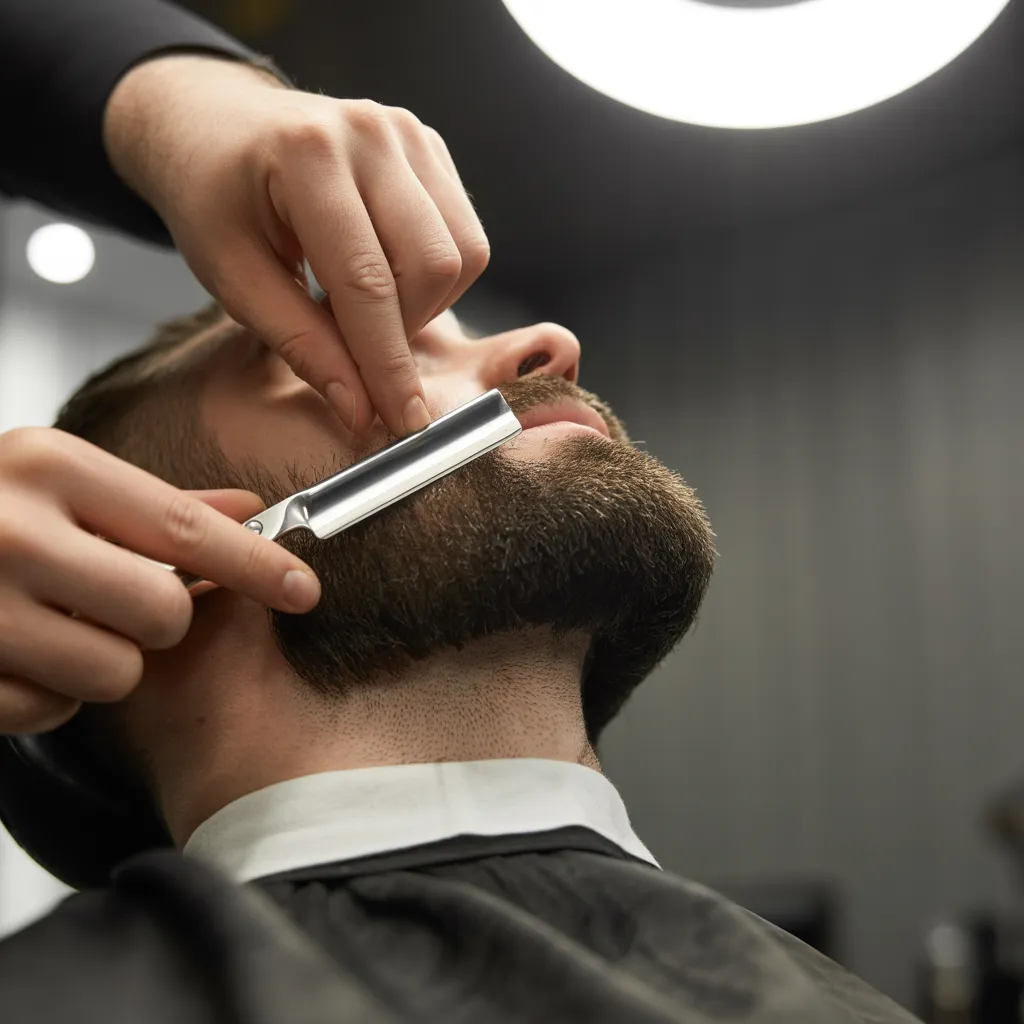
Essential Haircuts for Every Face Shape
When selecting a haircut, recognizing face shapes is important, as it can greatly enhance one's features. Distinct face shapes—oval, round, square, heart, and long—all possess distinct traits that can be flattered by specific styles. For oval faces, the majority of styles are flattering, but layers can add dimension. Round faces are flattered by cuts that add length, such as long layers or a textured bob. Square faces are typically complemented by soft, rounded styles that soften angular features. Heart-shaped faces can be enhanced with side-swept bangs and chin-length cuts, which balance wider foreheads. Finally, long faces are enhanced with cuts that create fullness, like a bob or waves. By customizing styles to match individual face shapes, one can attain a balanced and appealing style, boosting overall aesthetics and self-assurance.
Hair Coloring Techniques: From Highlights to Balayage
In the domain of hair coloring, various techniques offer distinct styles and effects. Popular highlighting methods, such as foiling and babylights, provide dimension and brightness, while balayage creates a more natural, effortlessly sun-kissed effect. Recognizing the strengths of each method can assist clients in identifying the ideal option for their desired aesthetic.
Widely Used Methods of Highlighting
Several coloring methods have come about in the field of hair color, each providing special ways to accentuate natural hair. Standard foiling is a classic technique where hair segments are placed in foil for clear, distinct highlights. By comparison, balayage styling provides a softer, sun-kissed result by painting highlights directly onto the hair, creating softer transitions. The ombre technique, a much-loved alternative, showcases a gradient look, typically darker at the roots and lighter at the ends. The sombre method delivers a softer variation of ombre, with reduced contrast among color shades. To complete the list, the babylights technique create delicate, fine highlights that imitate the soft, natural lightening of children's hair. All of these methods address a range of styles and preferences, ensuring that individuals can find the perfect look for their hair.
Balayage Advantages Explained
Balayage is recognized as a highly sought-after hair coloring method owing to its many remarkable benefits. This artistic technique enables colorists to apply highlights freehand onto the hair, producing a natural, sun-drenched look that enhances the hair's dimension. One major advantage is its low maintenance; balayage grows out gracefully, demanding fewer appointments than conventional highlighting techniques. In addition, it offers a personalized finish, as colorists can tailor the shades to suit individual skin tones and preferences. The process also helps limit damage because it generally uses less bleaching than traditional methods. Moreover, balayage introduces depth and vibrancy to a wide range of hair types, making it an ideal choice for those seeking a style refresh without dramatic alterations. Ultimately, balayage represents a harmonious combination of artistic expression and practical styling.
Nail Treatments: What to Anticipate at Your Barber Shop
What can one expect from nail services at a barber shop? Typically, these services cater to men seeking grooming and aesthetic care beyond traditional haircuts. Many barber shops now offer a range of nail treatments, including basic manicures, pedicures, and nail shaping.
In a typical manicure session, customers enjoy nail shaping and trimming, cuticle maintenance, and buffing or polish finishing, often featuring a variety of color options. Pedicures may involve a relaxing foot soak, gentle exfoliation, and hydrating treatments, ensuring feet are well cared for.
Additionally, many barber shops include nail art or designs, accommodating those who seek a unique touch. The ambiance is usually easygoing, permitting guests to decompress while experiencing these treatments. In general, nail services at a barber shop seek to elevate a man's self-care routine, supporting not just a polished look but also self-assurance in how he presents himself.
How to Select the Best Barber Shop
Picking the ideal barber shop can considerably affect an individual's grooming experience. Clients should evaluate several factors to guarantee a fulfilling visit. For starters, location is crucial; a well-positioned barber shop simplifies frequent visits. Furthermore, reviews and recommendations from peers or digital sources shed light on the standard of care and knowledge.
The atmosphere of the shop also plays a crucial role; a warm and inviting setting can improve the overall grooming experience. Watching the barbers' expertise and meticulousness is also critical; seeing how they communicate with patrons can be a clear indicator of their professional standards.
Additionally, the variety of services provided should align with specific grooming necessities, whether it's haircuts, coloring services, or extra treatments. Finally, pricing should be honest and competitive, showcasing the level of care delivered. By evaluating these criteria, individuals can carefully choose a grooming establishment that aligns with their standards and fosters a satisfying grooming experience.
Crucial Barber Shop Rules
After selecting a barber shop that matches your personal taste, familiarizing yourself with proper conduct is key for a enjoyable experience. Clients should arrive on time for their appointments to acknowledge the barber's busy schedule. If running late, a courteous call is appreciated. Once inside, greeting the staff politely sets a friendly tone.
Throughout the appointment, staying composed contributes to a pleasant atmosphere. Clients should avoid unnecessary interruptions, such as heavy mobile device usage, which can interfere with the barber's concentration. Guests are asked to keep their position and avoid conversation while the barber is performing the haircut, ensuring a smooth workflow.
Leaving a tip is standard as a show of appreciation for outstanding service, usually between 15% and 20%. Additionally, expressing gratitude upon concluding the visit builds goodwill and may establish a long-term rapport with the barber. Adhering to these etiquette standards elevates the overall experience for both clients and barbers alike.
Express Your Preferred Style Clearly
How can clients guarantee they convey their desired look to their barber effectively? Effective communication plays a vital role in getting the ideal haircut. Clients are encouraged to start by bringing visual references that showcase their preferred style, since visual aids offer a solid foundation for productive discussion. Clients must clearly express their specific preferences, including length, texture, and styling methods. Employing accurate terminology helps eliminate any misunderstandings, so terms like "fade," "taper," or "undercut" should be employed when relevant.
Furthermore, clients should be receptive to their barber's professional insight. A talented barber could present suggestions based on hair type and face shape, working to enhance the desired look. Engaging in a conversation throughout the process ensures changes can be implemented when necessary. At the end of the day, open communication cultivates a teamwork-oriented space, enabling the client and barber alike to work together toward achieving a pleasing outcome.
Maintaining Your Haircut: Tips for Long-Lasting Style
Getting the ideal haircut is just the start; preserving that style is crucial to guaranteeing it remains attractive as time goes on. Frequent trims are necessary, as they help eliminate split ends and keep the shape intact. Those who have layered hairstyles should plan an appointment every six to eight weeks.
Using the right products is equally important. A quality shampoo and conditioner suited to one's hair type will enhance texture and manageability. Additionally, styling products such as pomades or creams can help maintain the desired look while providing hold and shine.
Protecting hair from heat-related damage is crucial, especially for looks that involve straightening or blow-drying. Applying a heat protectant spray can mitigate damage. Finally, a nutritious diet abundant in essential nutrients and minerals supports total hair vitality, ensuring that the hairstyle stays fresh and stylish for as much time as possible.
Common Questions and Answers
How Regularly Should I Get My Hair Cut for Maintenance?
For maintenance, individuals should typically get a haircut every four to six weeks. Sticking to this interval helps sustain your style, address split ends, and encourage healthy hair growth, keeping you looking polished and well-groomed.
Is It Okay to Bring My Own Products to the Barber Shop?
Certainly, individuals can use their personal products to the barber shop. Many barbers appreciate client preferences, ensuring a tailored grooming session. It is recommended to talk to your barber prior to your visit to verify suitability and satisfaction.
Will Barbers Provide Consultations Prior to Haircuts?
Most barbers do offer professional consultations before haircuts, allowing clients to communicate preferences, styles, and desired looks. This helps guarantee satisfaction and fosters communication, enabling barbers to tailor their services to individual needs effectively.
What Steps Should I Take if I Dislike My Haircut?
If an individual is dissatisfied with their haircut, they should calmly communicate their concerns to the barber. Requesting adjustments or discussing styling options can often lead to a satisfactory resolution, ensuring the individual is more pleased with their overall style.
Is an Appointment Needed, or Are Walk-Ins Welcome?
Many barbershops accept walk-ins, though some may require appointments, especially during peak hours. We recommend contacting the particular barbershop ahead of time to ensure they can accommodate you and help avoid lengthy waits.